Finding the right place to store your RV, motorhome, or camper in Houston doesn't have to be complicated. Empty Space connects you with property owners across the Houston area who have available storage spaces, from covered RV parking to fully enclosed indoor options. Whether you need short-term storage between trips or a long-term solution to keep your vehicle safe from Houston's weather, our platform makes it easy to compare options and book directly with local hosts.
RV Storage in Houston, Texas
Things to Consider When You Choose a Storage Option
Selecting the right RV storage in Houston means thinking through several factors that affect both your vehicle's safety and your budget. Here's what matters most when comparing available spaces.
Weather Protection
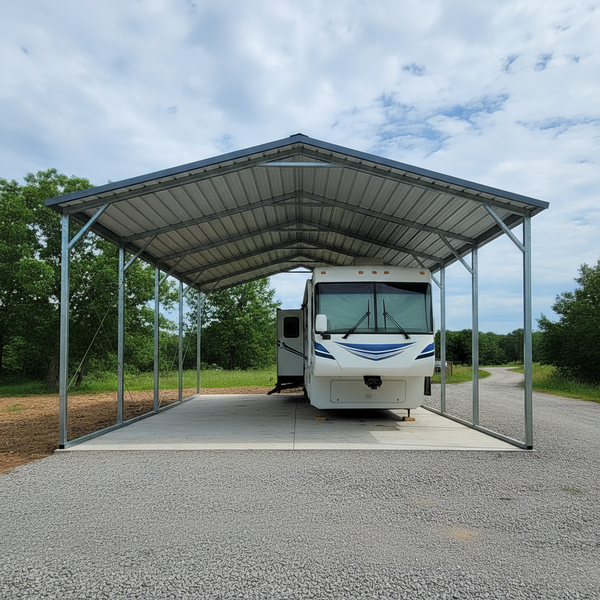
Houston's climate poses specific challenges for RV storage. Summer temperatures regularly exceed 95°F, and the humidity stays high year-round. UV exposure fades paint and deteriorates rubber components, while sudden thunderstorms and occasional hail threaten exterior damage. Indoor RV storage offers complete protection from these elements, while covered RV storage shields your vehicle from direct sun and rain at a more accessible price point. Outdoor RV storage works for shorter-term needs or tighter budgets, but expect to spend more on tire protectants, cover replacements, and UV damage repair over time.
Security
Your RV represents a significant investment—often $50,000 or more for motorhomes and fifth wheels. Look for storage spaces with multiple security layers: gated entry, security cameras covering parking areas, adequate perimeter lighting, and ideally an on-site presence or regular patrols. Properties in areas like Cypress, Katy, or Pearland often provide more secure, spacious options than locations closer to downtown. Ask potential hosts directly about their security setup and whether they've had any incidents.
Accessibility
How you use your RV determines what access you need. Weekend warriors heading to Galveston beaches or Texas state parks benefit from 24-hour access and wide drive-up entries. If you only take a few trips per year, scheduled access during business hours might work fine. Consider clearance height for covered spaces—Class A motorhomes often reach 12-13 feet, while travel trailers typically measure 10-11 feet. Pull-through spaces save time and reduce the stress of backing in large rigs.
Location
Storage location affects both convenience and cost. Spaces near Highway 290, I-10, or the Grand Parkway put you closer to popular travel routes. Properties in Spring, Tomball, or League City typically offer more room and competitive rates compared to inner-loop locations. Calculate the time you'll spend driving to and from storage—if you visit monthly for maintenance, an extra 20 minutes each direction adds up. Balance proximity with the features and price that match your needs.
Size
Measure your RV's total length (including any hitches or bumpers), width, and height before searching. A 35-foot fifth wheel needs different space than a 20-foot travel trailer. Class A motorhomes often require 40+ feet of length and 12+ feet of clearance. Many property owners list exact dimensions for their spaces, so you can filter options that actually fit your vehicle.
Cost
Monthly storage costs in Houston vary widely depending on the type of protection you choose. Basic outdoor spaces cost significantly less than covered or indoor options. Location, security features, and amenities affect pricing. Our platform shows upfront monthly rates from each property owner, so you can compare what you're getting for your money. Many hosts offer slight discounts for longer-term commitments, but month-to-month flexibility lets you adjust if your situation changes.
Tips to Store Your RV or Camper in Houston
Address Houston's Humidity
Before storing your motorhome or camper, remove all food, linens, and anything that can attract moisture or pests. Place desiccant packs or moisture absorbers in cabinets and closets. Crack a vent or window slightly if you're in a secure covered space to allow air circulation. Apply protectant to tire sidewalls and rubber seals—Houston's heat breaks these down faster than in cooler climates.
Check Your Vehicle Regularly
Visit your stored RV every 4-6 weeks. Walk around to inspect for new leaks, check tire pressure (heat causes fluctuation), and look for signs of rodents or insects. Start the engine and run the generator for 20-30 minutes to keep fuel systems and batteries in working order. These visits catch small problems before they become expensive repairs.
Communicate With Your Host
When you book storage through Empty Space, establish clear communication with your property owner. Let them know your typical access schedule and share contact information for emergencies. If your host notices something concerning with your RV, early notification helps you address it quickly. This relationship builds trust on both sides of the rental.
Have Your Own Space to Rent?
Property owners across the Houston area are already generating income by renting spaces they weren't using. Learn how easy it is to become a host and list your space and connect with RV owners looking for reliable storage options.