Houston boat owners face unique storage challenges due to the region's tropical climate, hurricane season, and limited waterfront property. Whether you're storing a bass boat for weekend trips to Lake Conroe, a sailboat you take to Clear Lake, or a center console for fishing in Galveston Bay, emptyspace connects you with vetted storage locations throughout the Houston area. Our platform lets you filter by specific features like covered parking, 24/7 access, or climate control, then reserve directly with property owners who have space available.
Boat Storage in Houston, Texas
Things to Consider When Choosing a Storage Option
Your boat's storage needs depend on its type, how often you use it, and your budget. These factors will help you identify the right match.
Weather Protection
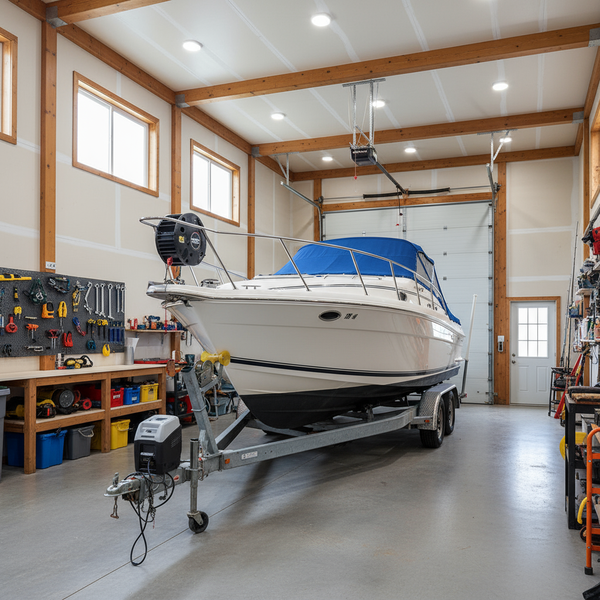
Houston receives over 50 inches of rain annually, with humidity levels regularly exceeding 90% during summer months. Indoor storage protects your boat from constant moisture exposure, which degrades fiberglass gel coat, corrodes metal fittings, and damages electrical systems. Covered storage blocks direct rain and sun but won't prevent humidity-related issues. Outdoor uncovered storage works if you visit your boat weekly to check for water accumulation and use a breathable, UV-resistant cover. Boats with wood components, canvas enclosures, or sophisticated electronics benefit most from climate-controlled spaces that maintain consistent temperature and humidity levels.
Accessibility
Most Houston storage facilities offer access during standard business hours, typically 6 AM to 9 PM. Some provide 24/7 entry through keypad or gate codes, which matters if you prefer early morning departures to beat weekend crowds at popular launch ramps. If you trailer your boat frequently, look for wide driveways and easy turn-around space.
Cost
Monthly rates in Houston reflect the protection level and location. Outdoor spaces in suburban areas like Katy or Humble offer the most affordable option for boats up to 25 feet. Covered storage near the I-10 corridor or close to Kemah costs more due to added weather protection. Indoor climate-controlled units represent the premium tier and increase based on your boat's dimensions. Factor in any additional fees for gate access cards, electricity hookups, or required insurance minimums.
Size
Measure your boat's overall length including the motor and trailer tongue, plus height with any towers, T-tops, or radar arches. A 22-foot boat on a trailer typically needs about 28-30 feet of length and 8-10 feet of width for comfortable clearance. Call ahead to confirm ceiling height if you're storing indoors—some warehouse spaces have low clearances that won't accommodate taller vessels. Storage operators list space dimensions, but visiting in person helps you visualize how your specific setup will fit.
Location
Storing your boat near your home in communities like Pearland, Sugar Land, or The Woodlands reduces the hassle of trailer towing through dense traffic. If you boat primarily on weekends, consider facilities along your route to Lake Houston, Livingston, or coastal launch points. This cuts 20-30 minutes off your drive time each direction. Proximity to major highways like I-45, Highway 59, or the Beltway makes retrieval more convenient during Houston's notorious rush hours.
Security
Review what specific security measures each facility provides. Perimeter fencing should be at least 6 feet tall with minimal gaps. Digital surveillance cameras with night vision cover entry points, and motion-activated lighting discourages after-hours activity. Individual space locks that you control, rather than facility master keys, give you complete access control. Property owners who live on-site or visit daily typically maintain better oversight than absentee operators.
Boat Storage Tips for Houston Owners
Clean and dry completely before storage. Pressure wash the hull, flush the engine with fresh water, and wipe down all surfaces. Open hatches and storage compartments to air out, and place moisture-absorbing products in the cabin. Houston's humidity accelerates mold growth on any damp surface, so removing moisture prevents costly cleaning later.
Stabilize fuel and protect the engine. Fill the tank to 90% capacity and add marine fuel stabilizer to prevent ethanol separation. Run the engine for 10 minutes to circulate treated fuel through the system. Disconnect the battery and store it on a trickle charger if you have electrical access, or take it home to maintain the charge.
Inspect your cover and trailer. Replace worn cover straps before they fail, and patch any tears that expose your boat to rain or pests. Check trailer tire pressure monthly, grease wheel bearings twice yearly, and verify that safety chains and lights function properly.
Have Your Own Space to Rent?
Property owners throughout Houston can list unused space for boat and vehicle storage on Empty Space. Extra land, covered carports, or warehouse bays generate monthly income while helping boat owners find secure storage. Become a host to connect with renters in your area.