What Is Peer-to-Peer Storage Sharing?
What Is Peer-to-Peer Storage Sharing?
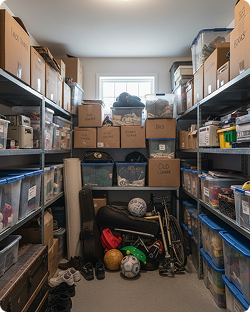
Peer-to-peer storage sharing is a model where individuals rent out unused physical storage space—garages, basements, spare rooms, or even parking spots—to people who need somewhere to store their belongings. This happens through online platforms that connect space owners with renters, similar to how Airbnb connects travelers with places to stay. This is entirely different from peer-to-peer file sharing, which involves digital content like music or movies. P2P storage sharing deals with real, physical spaces where you can store furniture, vehicles, business inventory, or anything else that needs a home.
What Peer-To-Peer Storage Sharing Means
Peer-to-peer storage sharing (also called P2P storage, storage sharing, or peer storage) connects people who have extra space with people who need it through online marketplaces. These storage sharing platforms create a direct relationship between space providers and space seekers, bypassing traditional commercial storage companies.
The model involves three core components:
Hosts (space providers): Property owners with unused garages, basements, attics, parking spots, or warehouses who want to earn passive income from otherwise idle space
Renters (space seekers): Individuals, students, small businesses, or anyone needing affordable, flexible storage without long-term contracts or the premium prices of commercial facilities
Platform: The peer-to-peer marketplace that facilitates listings, bookings, payments, and insurance, acting as the trusted intermediary
The term "peer-to-peer" describes a direct connection between two individuals without a traditional middleman company owning the storage facilities. Unlike commercial self-storage operations that own and operate dedicated facilities, P2P storage leverages existing unused spaces in residential and commercial properties.
Real-world examples demonstrate the flexibility of this model. A homeowner in a suburban neighborhood might rent their two-car garage to a neighbor who needs to store seasonal furniture and holiday decorations. The host earns $150 per month from space that was sitting empty, while the renter pays half what a commercial unit would cost and walks two blocks instead of driving across town. Similarly, a small online retail business might use someone's climate-controlled basement to store inventory, paying $200 monthly instead of $450 for a comparable commercial unit, all while staying within their service area for faster order fulfillment.
How Peer-To-Peer Storage Networks Work
Peer-to-peer storage platforms streamline the entire process from listing and discovery through payment and ongoing access. Both hosts and renters benefit from the structure and security these platforms provide.
Hosts create detailed listings by measuring and describing their space accurately. A typical garage listing includes dimensions (such as 12x24 feet or 288 square feet), ceiling height for tall items, door width for vehicle access, and flooring type. Hosts upload multiple photos showing the empty space from different angles, the entry point, and any security features. They specify access hours—whether renters can come and go anytime, need to coordinate with the host, or follow specific hours like 7am to 9pm daily.
Most platforms verify host identity through government-issued ID, phone number confirmation, and address verification. These verification steps protect renters from misleading listings and help maintain marketplace quality across peer-to-peer storage platforms.
Renters search using specific filters. Someone storing business inventory might filter for spaces over 200 square feet with drive-up access and 24/7 availability. A college student storing dorm furniture over the summer might prioritize price and proximity to campus, willing to coordinate access times for a lower monthly rate. Each listing displays the host's response time, acceptance rate, and reviews from previous renters—helpful indicators of reliability.
Payment flows through the platform using encrypted processing. When you book a space on EMPTYSPACE, your payment information never reaches the host directly. The platform holds funds, releases them to hosts according to the agreed schedule, and maintains complete transaction records. This protects both parties and simplifies tax reporting for hosts who need documentation of their rental income.
Peer-To-Peer Storage vs Traditional Self-Storage Facilities
Both peer-to-peer storage and traditional self-storage facilities solve the same fundamental problem—providing extra space when you need it—but they take different approaches with distinct advantages.
Factor | Peer-To-Peer Storage | Traditional Self-Storage |
Cost | $50-$200/month for typical garage space; 30-50% cheaper | $100-$300/month for comparable unit; standardized pricing |
Flexibility | Month-to-month; can negotiate custom terms | Often 3-6 month minimum; early termination fees common |
Location | Neighborhood-based; often within 1-2 miles of home | Facility locations; may require 5-10 mile drive |
Access | Varies by host agreement; coordinate or use provided code | 24/7 access typical; gate codes and personal locks |
Setup Time | Can book and move in same day if space available | Same-day usually available; may require credit check |
The cost advantage of peer-to-peer storage stems from real economics, not marketing claims. Traditional facilities carry expenses that hosts do not—property acquisition or lease costs, construction or renovation, full-time staff salaries, security systems, insurance, property taxes, and extensive advertising. A homeowner renting out their garage has already paid off or is paying for that space as part of their residence. The garage costs them nothing extra to offer, so they can price it at $150 per month and still profit entirely. That same space at a commercial facility might cost $250-$300 to cover the operator's overhead.
Location flexibility matters more than many renters initially realize. If you access your stored items even twice monthly, the time saved driving to a neighborhood space instead of a facility across town adds up quickly. A 10-minute walk versus a 25-minute drive each direction saves 30 minutes per visit—10 hours per year for someone visiting twice monthly.
Traditional facilities offer standardized professional management. You know exactly what you are getting—uniform climate control, professional security systems, on-site staff during business hours, and moving supplies available for purchase. P2P storage depends on individual hosts whose quality varies. Some hosts maintain pristine spaces and respond within minutes; others may be less attentive. Reading reviews carefully helps identify reliable hosts, but the experience will never match the uniformity of corporate facilities.
Real-World Uses and Benefits
Through operating EMPTYSPACE, we have seen peer-to-peer storage serve diverse needs that traditional facilities struggle to accommodate affordably or conveniently.
College students represent one of our largest user groups. When spring semester ends, students face expensive options—pay a moving company to ship belongings home and back, rent a commercial storage unit for $150-$200 monthly, or find a host near campus for $75-$100 per month. Many students choose P2P storage and save $300-$500 over a three-month summer break. The campus-adjacent locations mean they can drop off items easily before leaving and retrieve them conveniently when returning for fall semester.
Small business owners use P2P storage as flexible, affordable inventory space. A local candle maker stores supplies and finished products in a host's climate-controlled basement for $175 monthly—a third of what comparable commercial space costs. The location near her workshop means she can restock quickly when orders arrive. She scales up to a larger space during holiday production season and scales back afterward, something traditional leases with long minimum terms do not accommodate easily.
Vehicle and RV storage fills another clear need. Suburban homeowners with extra driveway or side yard space rent it to neighbors who lack room for boats, or campers. A boat owner might pay $125 monthly to park in someone's fenced backyard three blocks away—secure, convenient, and cheaper than the $200-$250 commercial facilities charge. The host earns income from space that was generating nothing.
Temporary storage during moves or renovations makes up a significant portion of bookings. When someone sells a house and closes before their new home is ready, they need somewhere to put belongings for 30-60 days. Renting a host's garage for $150 monthly and coordinating one drop-off and one pickup costs far less than commercial month-to-month rates with mandatory insurance add-ons. The short-term flexibility suits temporary needs perfectly.
Safety and Legal Considerations
Safety concerns are valid and worth addressing with specific details about how reputable platforms protect users.
Identity verification at EMPTYSPACE requires government-issued photo ID that matches the name on the account, a verified phone number, and email confirmation. We verify property ownership or authorization for hosts listing spaces. This multi-step verification prevents anonymous bad actors from accessing the platform.
Insurance coverage varies by platform and merits careful attention. Reputable peer-to-peer storage platforms typically provide host protection insurance covering liability for property damage or injuries occurring during authorized rental use, though coverage limits and terms differ significantly between providers. Renters should confirm what protection applies to their stored items—some platforms include contents coverage, others offer it as an optional add-on, and many provide no contents protection at all. High-value items like jewelry, art, or business equipment may require additional coverage through your homeowners or renters insurance policy.
The two-way review system creates accountability that informal arrangements lack. After each rental ends, both host and renter review each other on factors like communication, condition of space, payment timeliness, and whether they followed agreed terms. Hosts who consistently receive poor reviews for cleanliness, access problems, or unresponsiveness lose bookings. Renters who damage spaces or violate rules get flagged, making future hosts wary. This reputation system encourages good behavior from both parties.
Physical security features to look for include quality locks on entry doors, adequate lighting for evening access, weather protection from elements, and pest control for indoor spaces. When viewing a potential space, check that locks function properly, the roof does not leak, and the space smells clean and dry. Trust your instincts—if a space feels uncomfortable or poorly maintained during viewing, find another option.
Legal considerations require attention from hosts more than renters. Zoning laws govern what constitutes permissible use of residential property. Some municipalities define renting storage space as commercial activity prohibited in residential zones; others allow it. Hosts should check with their city or county zoning office before listing a space.
Homeowners association rules often restrict commercial activity more stringently than zoning laws. Review your HOA covenants or ask the HOA board directly whether renting storage space is permitted. Violating HOA rules can result in fines or legal action.
Insurance notification protects hosts from coverage gaps. Standard homeowners insurance typically covers personal use of your property. When you rent space commercially, insurers may deny claims related to that activity if you have not disclosed it and purchased appropriate coverage. Contact your insurance agent to discuss adding a business rider or commercial coverage for rental activity.
Income from renting storage space is taxable. The IRS treats it as rental income, which you report on Schedule E of your tax return. Keep detailed records of rental payments received and expenses incurred (platform fees, insurance, maintenance, utilities if applicable). These records simplify tax preparation and provide documentation if you face an audit.
FAQs About Peer-To-Peer Storage Sharing
Can I Earn Money By Hosting Peer-To-Peer Storage Space?
Yes, hosting peer-to-peer storage generates passive income from property you already own. Single-car garages, two-car garages, basement spaces, and parking spots all command different rental rates depending on size, location, and features. After platform fees and insurance costs, most hosts earn meaningful passive income from spaces that were previously generating nothing, with minimal effort beyond initial setup and occasional renter communication.
How do I know if a peer-to-peer storage space is secure?
Evaluate security by examining physical features and host reliability. Look for quality deadbolts, functioning locks, adequate lighting, and fenced or indoor locations. During viewing, test locks, check for secure doors and windows, and assess the neighborhood. Review the host's verification badges, previous renter reviews, and response time. At EMPTYSPACE, our verification process and review system help identify trustworthy hosts. For high-value items, consider renters insurance, use your own locks, and document stored items with photos.
Get Started with EMPTYSPACE
Peer-to-peer storage sharing transforms unused spaces into valuable resources by connecting hosts with renters efficiently and safely. The model delivers real benefits—hosts earn passive income from idle property, renters access affordable storage in their neighborhoods, and both parties gain flexibility that traditional storage cannot match.
At EMPTYSPACE, we have built our platform around transparency, safety, and ease of use. Hosts list spaces in minutes by uploading photos, setting competitive prices, and defining their terms. Our verification process and host protection insurance provide peace of mind. Renters search with detailed filters, read verified reviews, communicate directly with hosts, and book securely online.
Whether you own a garage sitting empty six days a week, a basement with unused square footage, or parking space you are not using, listing on EMPTYSPACE turns that idle space into steady monthly income.
If you need storage, EMPTYSPACE helps you find affordable options close to home without long-term commitments. Browse available spaces, filter by your specific needs, read host reviews, and book the space that fits your situation. Explore storage options near you or list your space today.
Find Your EmptySpace