Is It Legal to Rent Out Your Driveway?
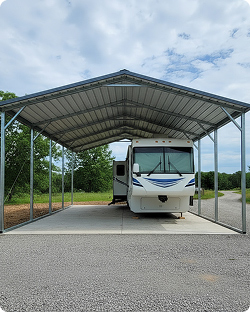
Is It Legal to Rent Out Your Driveway for Extra Income?
Do You Have The Right To Rent Out Your Driveway?
Before you start listing your driveway or putting up signs, you need to confirm you actually have the legal right to rent it out. This isn't always as straightforward as it seems.
If you own your property outright, you generally have more freedom to use your driveway as you see fit. However, ownership alone doesn't guarantee you can operate a commercial parking arrangement without restrictions.
Renters face additional hurdles. Your lease agreement likely contains clauses about commercial activities or subletting that could prohibit renting out parking spaces. You'll need explicit permission from your landlord before proceeding, and many landlords will say no to avoid potential liability issues or neighborhood complaints.
Even homeowners need to check their property deed for any restrictive covenants that might limit commercial use of residential property. These restrictions can date back decades but remain legally enforceable.
What Local Laws and Permits Apply
Local zoning laws are your first major consideration. Most residential areas are zoned specifically to prevent commercial activities, and operating a paid parking space could violate these ordinances.
Some municipalities require a business license or special permit to rent out parking spaces, even on your own property. The requirements vary dramatically by location—what's perfectly legal in one city might result in fines in another.
You should contact your local zoning office or city planning department to ask specifically about parking rental regulations. Don't rely on what your neighbor is doing or what you read in a general online forum. Get official confirmation for your specific address.
Certain cities have created specific regulations around driveway rentals, especially in areas near stadiums, airports, or downtown districts where parking demand is high. These rules might limit how many days per month you can rent, how many vehicles you can accommodate, or require posted signage.
Is Your HOA or Landlord Allowed To Prevent It?
Homeowners associations wield significant power over what you can and cannot do with your property, and they absolutely can prevent you from renting out your driveway.
Your HOA's CC&Rs (Covenants, Conditions, and Restrictions) likely contain provisions about commercial activities, parking regulations, and maintaining neighborhood aesthetics. Violating these rules can result in fines, legal action, or even liens against your property.
Some HOAs specifically prohibit any form of short-term rental or commercial parking arrangement. Others might allow it with prior approval from the board. You'll need to review your HOA documents carefully and potentially submit a formal request.
For renters, your landlord has even broader authority. Since you don't own the property, you're bound by your lease terms. Most standard residential leases prohibit commercial activities or require landlord approval for any income-generating use of the property.
Even if your lease doesn't explicitly mention parking rentals, clauses about "quiet enjoyment," guest policies, or subletting could be interpreted to prohibit the practice. Always get written permission from your landlord to protect yourself from potential lease violations or eviction.
Do You Need Special Insurance and Liability Coverage?
Your standard homeowners or renters insurance policy probably doesn't cover commercial parking activities, which creates a significant liability gap you need to address.
If someone is injured on your property while using your driveway as a paid parking space, you could face a lawsuit. Similarly, if their vehicle is damaged, stolen, or vandalized while parked on your property, they might hold you responsible.
Contact your insurance provider before you start renting out your driveway. Explain exactly what you plan to do and ask whether your current policy provides coverage or if you need a commercial rider or separate business policy.
Some parking rental platforms offer limited liability protection as part of their service, but this coverage typically has significant exclusions and may not be sufficient. Don't rely solely on platform-provided insurance without understanding exactly what it covers.
You might also consider requiring renters to provide proof of their own auto insurance. While this doesn't eliminate your liability, it provides an additional layer of protection if something goes wrong.
Are There Tax Implications For Driveway Rental Income?
Any income you earn from renting out your driveway is taxable, and the IRS expects you to report it on your tax return. Depending on how frequently you rent and how much you earn, you might also need to pay self-employment taxes.
The good news is you can deduct related expenses, which might include a portion of your property taxes, insurance premiums, maintenance costs for the driveway, and fees paid to rental platforms. Keep detailed records of all income and expenses.
Consider consulting with a tax professional, especially if you're earning substantial income from driveway rentals. They can help you maximize deductions and ensure you're meeting all tax obligations.
Practical Tips To Rent Out Your Driveway Safely
Once you've confirmed the legal aspects are covered, these practical steps will help you rent out your driveway smoothly and minimize potential problems.
1. Drawing Up A Simple Contract
Even for short-term parking arrangements, a basic written agreement protects both you and your renters. Your contract doesn't need to be complicated, but it should clearly outline the terms.
Include the rental period (specific dates and times), the agreed-upon price, payment method, and any rules about vehicle size, number of vehicles, or prohibited activities. Specify that renters park at their own risk and are responsible for their vehicle's security.
Address what happens if the renter overstays, blocks access, or violates the agreement. Having these terms in writing prevents misunderstandings and gives you recourse if problems arise.
2. Determining a Fair Price
Research what others charge for similar parking in your area. Prices vary dramatically based on location, with spaces near airports, stadiums, or city centers commanding premium rates.
Consider your proximity to public transportation, local attractions, or business districts. A driveway within walking distance of a train station or event venue is worth more than one in a purely residential area.
Factor in whether you're offering covered parking, security features like cameras or lighting, or guaranteed availability. These amenities justify higher prices.
Start slightly below market rate to attract your first few renters and build positive reviews, then adjust your pricing based on demand.
3. Ensuring Easy Access
Make sure renters can actually access your driveway without hassle. Provide clear instructions about how to find your property, where exactly to park, and how to contact you if they have questions.
If you have a gate, fence, or other barrier, explain the access procedure in advance. Consider whether you need to be home to let renters in or if you can provide a code or remote access.
Clearly mark the boundaries of the rental space so renters know exactly where they can park. This prevents them from blocking your own vehicles or encroaching on areas you didn't intend to rent.
4. Checking With Neighbors
While you might not legally need your neighbors' permission, giving them a heads-up can prevent complaints and maintain good relationships.
Explain what you're planning and address any concerns they might have about increased traffic, strangers in the neighborhood, or vehicles blocking their access. Most neighbors will be fine with it if you're considerate and communicate openly.
If your driveway rental will create additional traffic or activity, be extra mindful about noise, headlights shining into neighbors' windows, or renters blocking driveways or mailboxes.
Final Thoughts On Renting Your Driveway For Extra Income
Renting out your driveway can be a legitimate way to generate passive income from an asset you already own, but it's not a decision to make lightly.
The legal landscape varies significantly depending on where you live, your property ownership status, and any HOA or lease restrictions. Taking the time to research local laws, secure proper insurance, and understand tax implications will save you from costly problems down the road.
Start small, perhaps with occasional rentals during local events, and see how it works before committing to regular or long-term arrangements. Pay attention to how it affects your daily life, your neighbors, and your property.
Done correctly and legally, driveway rental can provide steady supplemental income with minimal effort. Done carelessly, it can result in fines, legal disputes, insurance gaps, or damaged relationships with neighbors and HOAs.
FAQs About Renting Out Your Driveway
What happens if a renter's car is damaged while parked on my driveway?
Liability depends on the cause of damage and your rental agreement terms. If you were negligent (for example, you damaged the car while moving something), you could be held responsible. However, if the damage results from weather, theft, or vandalism, the renter's own auto insurance typically covers it. This is why your rental contract should explicitly state that renters park at their own risk and maintain their own insurance. Your liability insurance should also cover incidents where you're found at fault, though standard homeowners policies may not cover commercial parking activities without additional coverage.
Can I rent out my driveway for overnight parking or long-term arrangements?
Overnight and long-term rentals are possible but come with additional considerations. Local zoning laws may have different rules for overnight versus daytime parking, and some municipalities restrict how many consecutive days you can rent parking spaces. Long-term arrangements might trigger different tax treatment or require business licensing. Your HOA or landlord may also have specific restrictions on overnight guests or vehicles. If you're considering long-term rentals, create a more detailed contract addressing extended use, payment schedules, and termination terms. Platforms like EMPTYSPACE specialize in longer-term parking arrangements and can provide guidance.
Find Your EmptySpace