Finding the right place to park your RV between trips shouldn't be complicated. EMTPYSPACE connects RV and camper owners throughout Lincoln with property owners who have available storage spaces—from open parking pads to covered structures and fully enclosed buildings. Compare listings across the city, review security features and access terms, and book flexible arrangements directly with local property owners.
RV Storage in Lincoln, Nebraska
Things to Consider When You Choose a Storage Option
Weather Protection
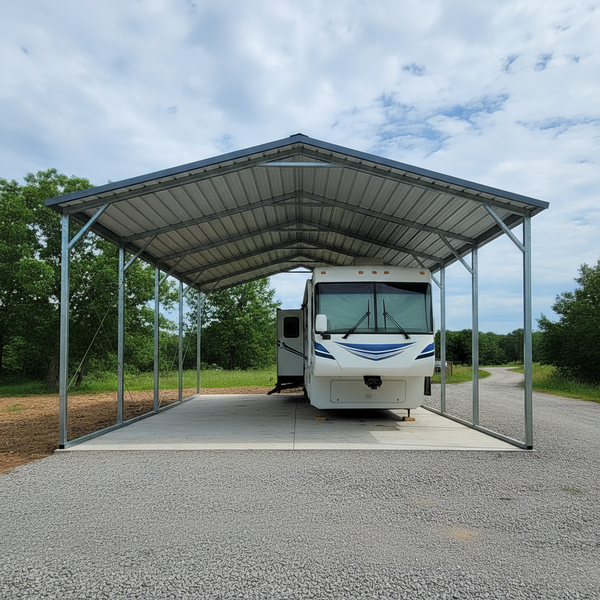
Lincoln experiences cold winters with temperatures often dropping below freezing, spring storms that bring hail and high winds, and summer heat that can reach the 90s. Indoor RV storage protects your investment from all of these conditions, preventing UV damage to rubber seals, sun-faded paint, and moisture infiltration. Covered storage shields your RV from precipitation and direct sunlight while allowing air circulation, which helps prevent mold and mildew. Outdoor storage remains the most budget-friendly option and works well if you use your RV regularly throughout the season, though you'll need to invest in quality covers and perform more frequent maintenance checks.
Accessibility
How you plan to use your RV determines which access arrangement makes sense. If you take frequent weekend trips or need to grab gear between outings, look for spaces with 24/7 gate access. Properties with limited hours work fine for seasonal storage when you only retrieve your RV a few times per year. Pay attention to practical details: Can you comfortably navigate the entrance and parking area with your specific RV length? Is there room to hitch and unhitch without blocking other spaces? Properties near Highway 2, Highway 77, or Interstate 80 make it easier to get on the road quickly when adventure calls.
Cost
Monthly rates for RV storage in Lincoln vary based on several factors. Indoor climate-controlled spaces command premium pricing but offer maximum protection for high-end motorhomes. Covered parking typically costs 30-50% less than indoor options while still protecting against weather damage. Open-air spaces offer the most affordable rates, particularly at properties outside the city center. When comparing listings on EMTPYSPACE, factor in what's included—some property owners provide electricity hookups for battery maintenance, while others offer basic parking only.
Size
Before you start browsing listings, grab a tape measure. You need your RV's total length (including hitches and bumpers), width (with mirrors extended), and height (including roof-mounted AC units or antennas). Add a few feet to these measurements for comfortable maneuvering room. A 30-foot travel trailer needs at least a 35-foot space to park without difficulty. Class A motorhomes over 35 feet require careful attention to turning radius and overhead clearance. Verify measurements with property owners before booking to avoid surprises on move-in day.
Location
Consider your actual usage patterns when choosing a location. A property near your home makes it easy to check on your RV during extended storage periods and simplifies the pickup process. If you primarily travel west toward Lake McConaughy or north to the Niobrara River, storing near your route reduces backtracking. Properties in Waverly, Hickman, or other areas outside Lincoln proper often offer larger spaces at lower rates, which matters if you own a Class A or fifth-wheel that needs extra room.
Security
Review each property's security measures before committing. Fenced perimeters with locked gates limit unauthorized access. Motion-activated lighting and visible security cameras discourage theft and vandalism. Some property owners provide individual codes or keys for gated entry, creating an audit trail of who accesses the property. Ask about on-site presence—is someone nearby regularly, or is the property unstaffed? Check whether other tenants store high-value equipment, which often indicates a property owner who takes security seriously.
Tips for RV and Camper Storage in Lincoln
Prep and Clean: Wash your RV thoroughly before storage, paying attention to wheel wells and undercarriage where road salt accumulates. Empty and flush all water tanks to prevent freeze damage. Turn off propane at the tank, not just at appliances. Remove all food, linens, and anything that could attract mice or develop mildew. Clean and defrost the refrigerator, leaving doors propped open.
Protect Systems: Remove your battery and store it indoors on a maintainer, or disconnect the negative terminal if leaving it in place. Cover tires with UV-resistant tire covers—Lincoln's sun breaks down rubber compounds quickly. Check all roof seals and window caulking for cracks. For outdoor storage, use a breathable RV cover that won't trap condensation against the exterior.
Security and Inspections: Install a hitch lock and wheel locks as visible deterrents. Photograph your RV from all angles, including any existing damage, before the first storage day. Maintain your insurance policy even during storage periods. Visit monthly to check for roof leaks, tire pressure, pest entry points, and battery charge levels.