More Options, Less Fees, No Commitment
Find RV Storage in Chicago
Things to Consider When Choosing an RV Storage Option
Storing an RV in Chicago presents unique challenges—from finding a space large enough to accommodate a 30-foot motorhome to protecting your vehicle from lake-effect snow and sub-zero temperatures. EMPTYSPACE connects you with property owners across Cook County and surrounding areas who offer dedicated RV parking spaces, from heated indoor bays to fenced outdoor lots. Browse listings by neighborhood, compare rates, and book directly with hosts who have the specific setup your camper requires.
Weather Protection
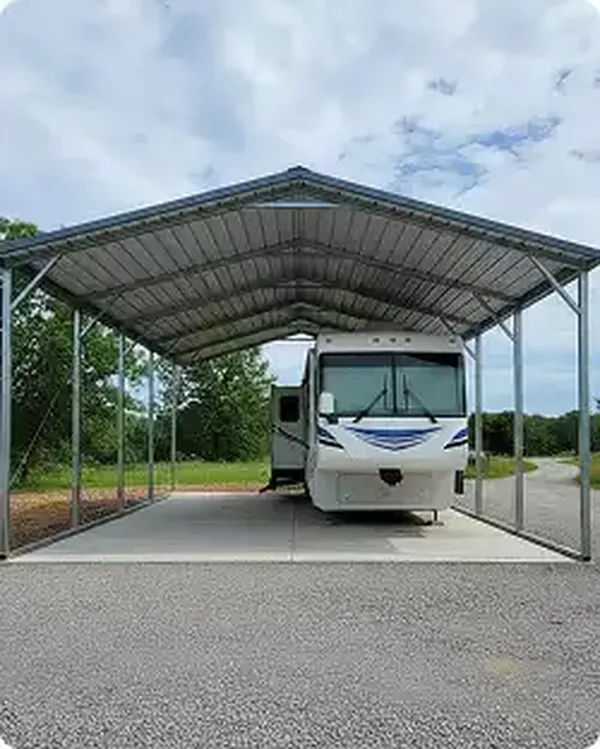
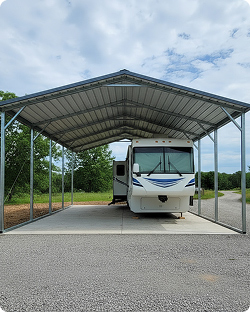
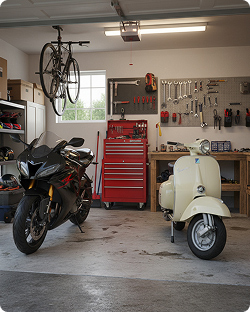
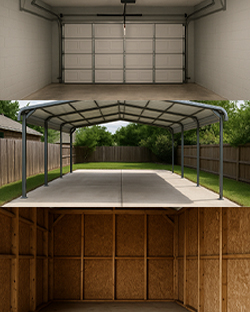
Chicago winters average 36 inches of snow and temperatures regularly drop below 20°F. Indoor storage prevents freeze damage to water systems and protects seals and slide-outs from ice buildup. Covered carports shield your roof and awning from heavy snow loads while costing less than fully enclosed spaces. Uncovered outdoor storage works if you properly winterize and accept some weathering to exterior surfaces over time.
Accessibility
Determine whether you need drop-in access or can schedule visits in advance. Some hosts provide keypad entry codes for anytime access, while others operate gated properties with specific hours. If you plan weekend trips from April through October, confirm you can pick up your RV Friday evenings. Check that the driveway and turnaround space accommodate your rig's length—a 35-foot Class A needs more maneuvering room than a 20-foot travel trailer.
Cost
Rates in the Chicago area vary based on storage type and location. Indoor climate-controlled storage typically costs more than covered options, while basic outdoor parking offers the most affordable solution. Location affects pricing—spaces in Lake County or Will County generally cost less than properties closer to downtown. Factor in whether the host includes electricity for battery maintenance or requires you to disconnect completely.
Size
Measure your RV's total length including any rear-mounted bike racks or spare tire carriers. Note the height with roof-mounted AC units and antennas extended. Many driveways and garages accommodate up to 25 feet, but larger motorhomes need commercial-sized spaces. If you store a boat alongside your RV or need room for a separate tow vehicle, specify those requirements when filtering listings.
Location
Consider proximity to I-90, I-94, or I-55 if you frequently travel to Wisconsin campgrounds or head south toward Starved Rock. Storing near your home in neighborhoods like Edison Park or Mount Greenwood makes pre-trip loading easier. Properties in suburbs like Naperville, Schaumburg, or Tinley Park often provide better value while keeping you within 30-40 minutes of the city.
Security
Look for properties with perimeter fencing—at minimum, a six-foot chain-link barrier. Gated entry with codes limits access to authorized renters. Motion-sensor lighting and visible cameras deter theft of generators, propane tanks, and external storage compartments. Some hosts live on the property, adding another layer of oversight. Ask about these features before booking.
RV and Camper Storage Tips in Chicago
Prepare Your Plumbing System for Cold. Drain your freshwater tank, water heater, and all supply lines completely. Pump RV antifreeze through faucets, the toilet, and shower until you see pink liquid. Pour antifreeze into drain traps. Bypassing your water heater prevents wasting antifreeze filling that tank.
Maintain Tires and Battery Health. Place plywood boards under tires to prevent moisture absorption from concrete or asphalt. Fill tires to maximum PSI to reduce flat-spotting. Disconnect your house battery and store it on a trickle charger indoors, or connect to shore power if your host provides it. A dead battery can freeze and crack.
Inspect Monthly During Storage Season. Check for roof leaks after heavy snow. Look inside cabinets for signs of mice—they enter through surprisingly small gaps. Run the generator for 20 minutes monthly if storing long-term. Document any new damage with photos and dates to maintain clear records with your host.