More Options, Less Fees, No Commitment
Find Car Storage in Chicago
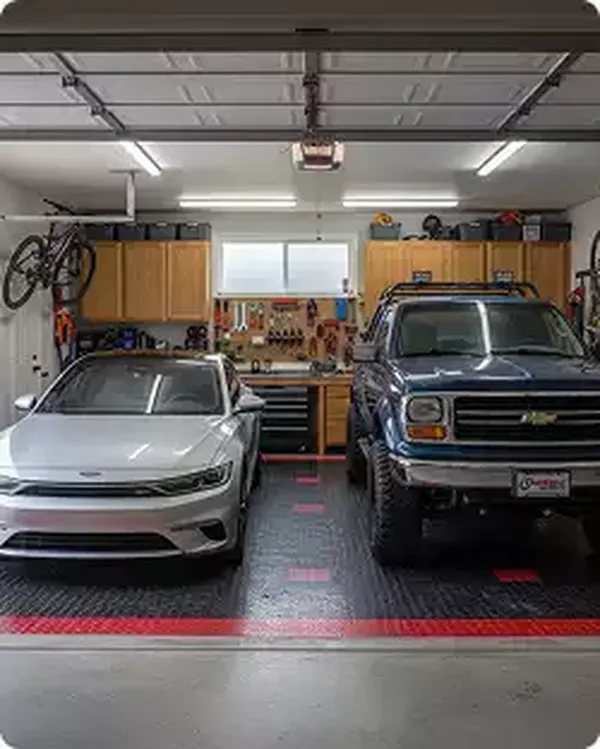
Key Considerations for Storage Options
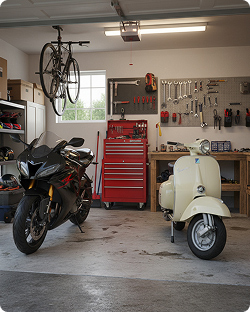
Finding the right car storage in Chicago doesn't have to be complicated. EMPTYSPACE connects you with available parking and storage options across the city, from indoor garage spaces to covered outdoor lots. Whether you need a spot for the winter months or a long-term home for a classic car, our platform helps you compare options, check availability, and book the space that fits your needs.
Selecting the right storage space requires more than just finding an open spot. Your vehicle's needs, your budget, and how often you plan to access your car all play a role in making the best choice.
Weather Protection
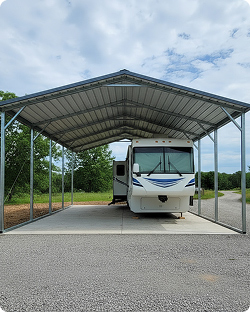
Chicago's temperature swings from below freezing in January to humid summers create challenging conditions for stored vehicles. Indoor, climate-controlled storage protects against rust caused by road salt, prevents battery drain from extreme cold, and maintains stable humidity levels. Covered outdoor parking shields your car from snow and ice while remaining more affordable. Uncovered lots work for short-term needs, particularly if you’re storing during warmer months.
Accessibility
Some storage hosts provide 24/7 access with keypad entry, while others require scheduled visits or specific access windows. If you store a weekend car or need your vehicle during the week, drive-up access eliminates the need to navigate through multiple floors or tight parking structures. Ask hosts about their access policies before booking, particularly if you have unpredictable schedule needs.
Cost
Monthly rates for car storage in Chicago vary based on the type of space and location. Basic outdoor spots offer the most affordable option, while climate-controlled indoor spaces in central neighborhoods command premium pricing. Locations near the Loop or North Side neighborhoods typically cost more than options in suburbs like Schaumburg or Naperville. Hosts on EMPTYSPACE may offer discounted rates for quarterly or annual commitments, which can reduce your overall storage costs.
Size
Standard parking spaces measure 9 feet wide by 18 feet long, suitable for most sedans and crossovers. Full-size trucks, extended cab pickups, and vehicles with trailers need spaces at least 20-22 feet long. Classic cars with low clearances may require smooth, flat surfaces without drainage grates or speed bumps. Review the listed dimensions and verify your vehicle will fit comfortably with room to open doors.
Location
Storing your car within a short drive from your home makes drop-off and pickup manageable, particularly during harsh weather. Chicago's public transit options mean you can often take the L or a bus home after dropping your car at storage. EMPTYSPACE lets you filter by ZIP code or neighborhood, making it easy to find spaces along your route or near transit stops.
Security
Gated properties with surveillance cameras deter theft and provide recorded evidence if incidents occur. Motion-sensor lighting, on-site property managers, and regular patrols add protection. Request information about the host's security setup and ask whether the property has had previous incidents. Renters on our platform can view ratings and reviews from other users who've stored vehicles at the same location.
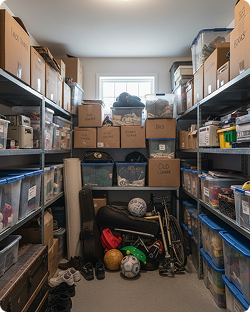
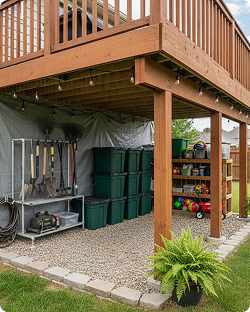
Car Storage Tips for Chicago
Prepare Your Vehicle Before Storage. Wash your car thoroughly, including the undercarriage, to remove road salt that accelerates rust. Apply a coat of wax to protect the paint. Fill the gas tank and add fuel stabilizer to prevent varnish buildup in the fuel system. Inflate tires to the manufacturer's recommended pressure—not the maximum listed on the sidewall—to prevent flat spots during extended storage.
Maintain Your Battery. Chicago's cold winters drain car batteries faster than moderate climates. A trickle charger or battery tender maintains charge without overcharging. If your storage space lacks electrical access, disconnect the negative battery terminal to prevent parasitic drain from electronics and alarm systems. A fully charged battery can typically hold a charge for several months in cold conditions.
Review Your Insurance Coverage. Call your insurance agent to discuss stored vehicle coverage. Most carriers allow you to remove collision coverage while keeping comprehensive protection against theft, fire, and weather damage. This adjustment typically reduces premiums significantly during storage periods. Confirm that your policy covers the storage location and whether the host carries liability insurance for their property.