More Options, Less Fees, No Commitment
Find Boat Storage in Chicago
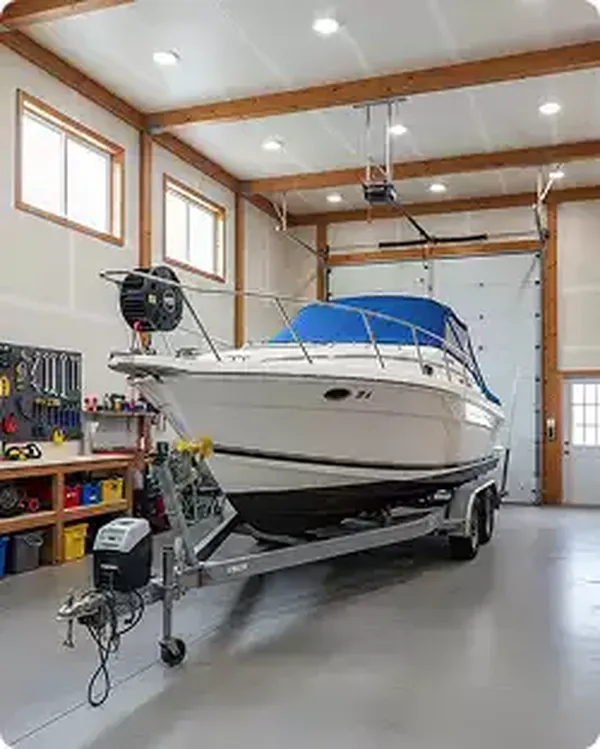
Things to Consider When You Choose a Boat Storage Option
Finding the right place to store your boat in Chicago requires balancing protection from harsh winters with convenient access to Lake Michigan's boating season, which typically runs from late April through October. EMPTYSPACE connects boat owners with property owners who have available storage spaces throughout the Chicago area. Whether you need indoor heated storage to protect against sub-zero temperatures or outdoor space for seasonal storage, our platform makes it simple to compare rates, review specific property features, and book the space that matches your boat's size and protection needs.
Why Store Your Boat in Chicago
Chicago provides direct access to Lake Michigan's 1,600 miles of shoreline and supports one of the largest freshwater boating communities in the country. Storing your boat locally eliminates long towing distances to launch sites and keeps your vessel close to Chicago's network of marinas, harbors, and service providers. Local storage also allows you to perform mid-winter maintenance checks and prepare for early-season launches when conditions permit.
Selecting the right boat storage solution depends on your boat's value, construction materials, how often you need access, and how much protection Chicago's weather demands.
Weather Protection
Chicago averages 28 days below 20°F each winter, with wind chill values that can damage gelcoat, crack vinyl, and freeze residual water in engines and plumbing. Indoor heated storage maintains temperatures above freezing, protecting fiberglass from thermal stress and preventing moisture-related hull damage. Covered outdoor storage shields boats from snow accumulation and UV exposure but requires complete winterization. Uncovered outdoor storage works for aluminum fishing boats and other hardy vessels but exposes gelcoat and upholstery to accelerated wear from freeze-thaw cycles.
Accessibility
Most Chicago-area properties restrict winter access due to snow removal and seasonal operations. If you need to retrieve gear, perform maintenance, or prepare for ice fishing conversions, confirm the property allows winter entry. Spring accessibility matters too—spaces near Burnham Harbor, Monroe Harbor, or other popular launch points reduce towing time when the season opens, but spaces farther from the lakefront may offer more flexible pickup hours.
Cost
Indoor heated storage in the Chicago area typically costs more per foot per season than outdoor options, with covered outdoor spaces falling in the mid-range and uncovered parking offering the most economical choice. Downtown and near-lakefront locations command premium rates. Calculate the total cost including any access fees, required insurance, or seasonal move-in charges that some property owners add.
Size
Measure your boat's overall length including swim platforms, beam at the widest point, and height from ground to the highest point (tower, bimini, or antenna). For trailer storage, add extra clearance to length and width measurements. Indoor spaces need enough height for hardtops and T-tops—verify clearance requirements before booking.
Location
Chicago's layout creates tradeoffs between convenience and cost. Storing near Diversey Harbor or Montrose Harbor means quick access but limited availability and higher prices. Suburban locations in Niles, Skokie, or south toward Indiana offer larger spaces and lower rates but add significant towing time each direction.
Security
Review what security features each listing includes. Fenced perimeters with locked gates provide basic protection, while monitored camera systems, motion-sensor lighting, and on-site presence reduce theft risk. For boats with expensive electronics or fishing equipment, individual unit locks or alarmed storage adds another layer of protection.
Tips to Store Your Boat in Chicago
Winterize completely before storage. Drain all water from engines, livewells, ballast tanks, and freshwater systems. Add antifreeze to remaining plumbing, stabilize fuel tanks, fog cylinders, and disconnect batteries. Chicago's winter temperatures regularly drop below the threshold where residual water expands and cracks engine blocks, through-hulls, and pumps.
Clean and cover with ventilation in mind. Wash salt, algae, and debris from the hull and interior, then dry completely before covering. Use boat-specific covers with vents that prevent condensation buildup. Even in heated storage, trapped moisture encourages mold on upholstery and carpet.
Document condition and prep for launch season. Photograph your boat before storage and note any existing wear or damage. Remove electronics, fishing rods, safety gear, and anything valuable or prone to theft. Create a spring checklist that includes inspecting trailer bearings, checking registration renewal dates, and confirming your launch site reservation before retrieval.